

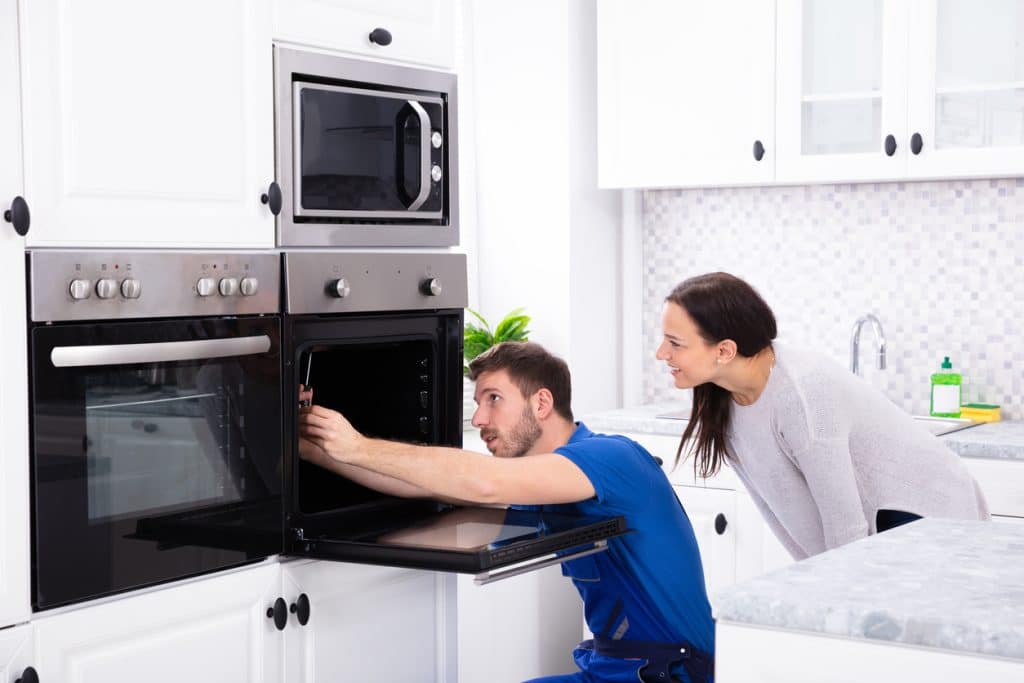
Most of the major appliances in your home cost thousands of dollars. If you don’t protect them with surge protection, you risk expensive replacements that could easily be avoided. This guide walks you through the different types of surge protectors and why your major appliances need them.
Point-of-Use Surge Protectors
Point-of-use surge protectors are installed directly into the outlet where you want surge protection. They provide localized protection, and the heavy-duty models work great for HVAC systems, water heaters and other large appliances. You’ll have an around-the-clock bodyguard that absorbs and redirects excess energy during voltage spikes to prevent it from damaging the circuit boards and sensitive components inside the connected electronics. The result is less downtime caused by electrical issues and longer-lasting appliances.
These surge protectors are available in a wide range of options, including surge protector strips, wall-tap (cordless) protectors, single-outlet protectors and specialized media and data-line protectors. Here’s a look at which types are best suited for different appliances:
- Surge strips: Computers, printers, televisions and gaming consoles
- Wall tap: Coffee makers, lamps, air purifiers and countertop microwaves
- Single outlet: Refrigerators, freezers, washing machines, dryers and sump pumps
- Specialized media and data-line protectors: Routers, modems, security camera systems and smart home hubs
Whole-Home Surge Protectors
Whole-home surge protectors are much different from point-of-use versions because they connect directly to the electrical panel. There’s usually no need to mess with point-of-use surge protectors when you have this type installed because the entire electrical system (every outlet and circuit) is protected. When an electrical surge occurs, the surge protector neutralizes the excess voltage at its source.
Whole-house versions, of course, cost more than point-of-use types, but having coverage for the entire home makes them well worth the investment. Plus, they give you a way to add protection to large appliances that don’t plug into regular outlets, like your HVAC system and water heater. These units are extremely vulnerable to power surges and are very expensive to replace. With whole-home surge protection, you’re giving them a 24/7 safeguard against damaging voltage spikes so they last longer and perform more reliably.
The best way to design a surge protection plan for your home is to speak with a licensed electrician. An expert knows the ins and outs of transient overvoltage suppression and how to avoid common mistakes that could leave your appliances vulnerable to electrical damage. Some homes need a layered form of surge protection to provide maximum protection, such as panel-mounted surge protectors for hardwired equipment and plug-in surge protectors for everyday electronics. If you have concerns or require surge protection services, contact Priority Plumbing and Heating in Denver, CO.