

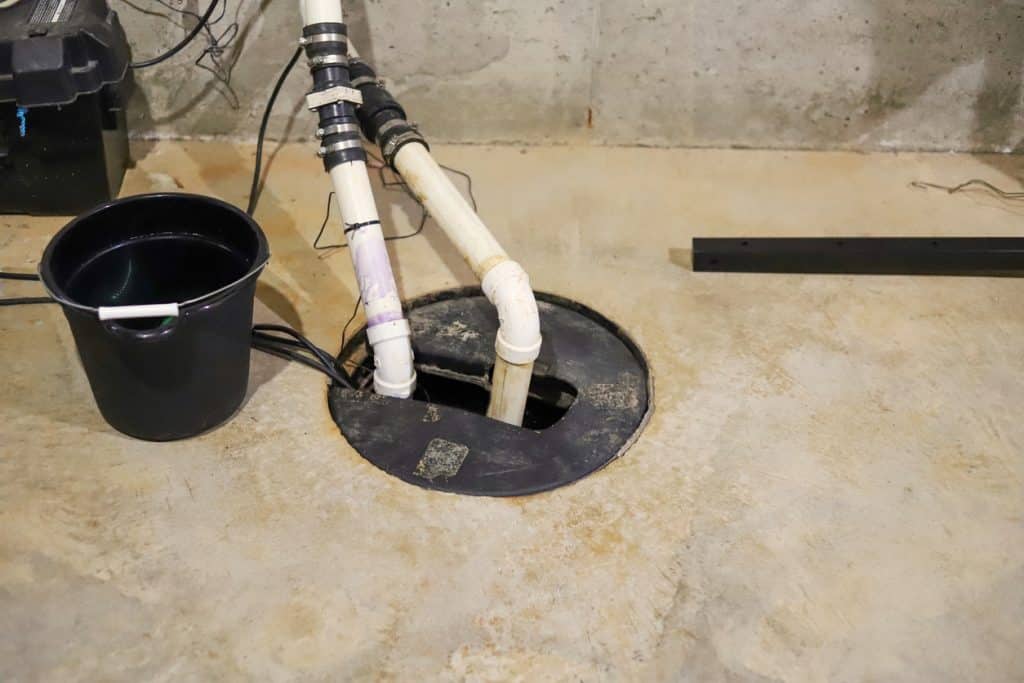
A sump pump helps move water away from your home. Many homeowners do not think about it until flooding happens. Regular testing can help prevent water damage and costly cleanup.
How A Sump Pump Helps Protect Your Home
Plumbers install sump pumps in a pit below the floor. Their job is to remove water before flooding starts. They help reduce moisture problems in lower areas of the home.
Basements and crawl spaces often collect groundwater during heavy rain. Excess moisture can damage flooring, walls, and stored belongings. Mold growth may also become a concern.
Manufacturers and plumbers recommend having regular sump pump maintenance. Small problems are easier to fix before flooding occurs. Routine checks help confirm the system still works properly.
Test The Pump With Water
One simple test uses a bucket of water. Pour water slowly into the sump pit. Watch the float switch as the water level rises.
The float should lift and activate the pump. Water should move out through the discharge pipe. The pit should empty quickly after the pump starts.
If nothing happens, the switch or motor may have problems. Delayed startup can also signal a developing issue. Testing helps identify problems before emergencies happen.
Listen For Unusual Sounds
A healthy sump pump usually sounds smooth and steady. Loud rattling or grinding may suggest internal wear. Vibrations can also signal loose parts or trapped debris.
Clicking sounds may come from the float switch. Repeated cycling could point to a stuck switch or poor drainage. Strange noises deserve closer inspection.
The discharge pipe should also sound normal during operation. Gurgling or reduced flow may signal a blockage. Restricted drainage can make the pump work harder.
Keep The Pit And Pump Clean
Sump pits collect dirt, lint, sand, and small debris over time. Buildup can block the intake screen or float switch. Cleaning helps the system move water more efficiently.
Always unplug the pump before cleaning the pit. Remove loose debris carefully by hand or with a small scoop. Avoid pulling on electrical cords or float parts.
The discharge pipe outside the home also needs attention. Leaves, mud, or animal nests can block drainage flow. A blocked pipe may force water back into the pit.
Check The Power Source
Most sump pumps rely on electricity during storms and outages. A tripped breaker or loose plug can stop operation. Power loss is a common cause of pump failure.
Backup battery systems can help during outages. We recommend backup power for sump pumps in flood-prone areas. Backup systems need testing and battery replacement.
Regular sump pump checks can reduce flood risks and water damage. Simple testing, cleaning, and listening checks often reveal small problems early. Preventive maintenance helps the system work when it matters most. If you have concerns or require sump pump repair services, contact Priority Plumbing and Heating in Denver, CO.