

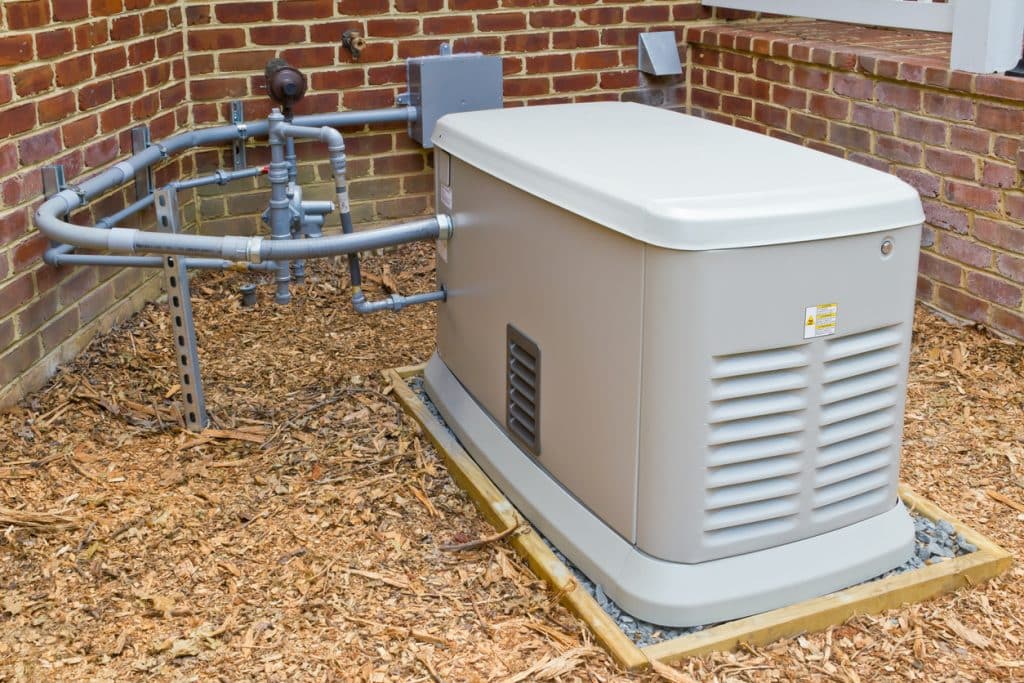
Both portable and standby generators provide reliable backup power if you experience an outage. However, they differ significantly, so it’s important to understand how each works. This can allow you to make an informed decision that’s best for your home, ideally before storm season arrives.
What’s a Portable Generator?
Portable generators run on fuel, so you can use them outdoors where there’s plenty of ventilation. They’re usually relatively lightweight and easy to move, and some have wheels, making the process simple. They come in varying sizes and wattages, providing multiple options to meet your power needs.
These devices can last 10+ years with proper care and maintenance. We suggest testing them every couple of months to ensure they’ll work properly when you need them.
What’s a Standby Generator?
A standby generator is permanently installed, usually set up on a concrete pad outdoors near your home. It’s connected to both your electrical panel and your fuel line. Once it detects a power outage, the transfer switch signals the generator to start. The process typically takes less than a minute. When power resumes, the system switches back to your standard electrical supply.
We recommend scheduling an annual professional maintenance appointment for your standby generator. Our HVAC technicians can assess the system to make sure it’s operating optimally and safely.
What Are the Primary Differences?
There are multiple differences between standby and portable generators, most notably how they operate. Standby generators kick on automatically, powering either your entire home or part of it while being connected to the fuel line.
Portable generators operate only with manual intervention and require periodic refueling. They’re the more affordable option between the two generator types.
The carbon monoxide risk is another significant contrast. There’s little risk with standby generators, as they’re installed outside by professionals trained in the task. With portable generators, user error can increase the chance of carbon monoxide poisoning.
How to Choose the Best Option
Standby generators are a good option if you experience frequent outages and want reliable, convenient backup power with no manual intervention. Portable generators are typically best for homeowners who experience occasional outages and want a more cost-effective option. They can also take these devices on the go for activities like tailgating and camping.
If you’re unsure which option is the ideal choice for your home, we can help. To recommend the best solution, we’ll discuss your power needs, assess your electrical system, and talk about your budget.
Being proactive can help you maintain full or partial electrical power during an outage. Priority Plumbing and Heating in Denver, CO, offers generator repair, installation, and maintenance services. Call us today to schedule service or request a consultation through our website.